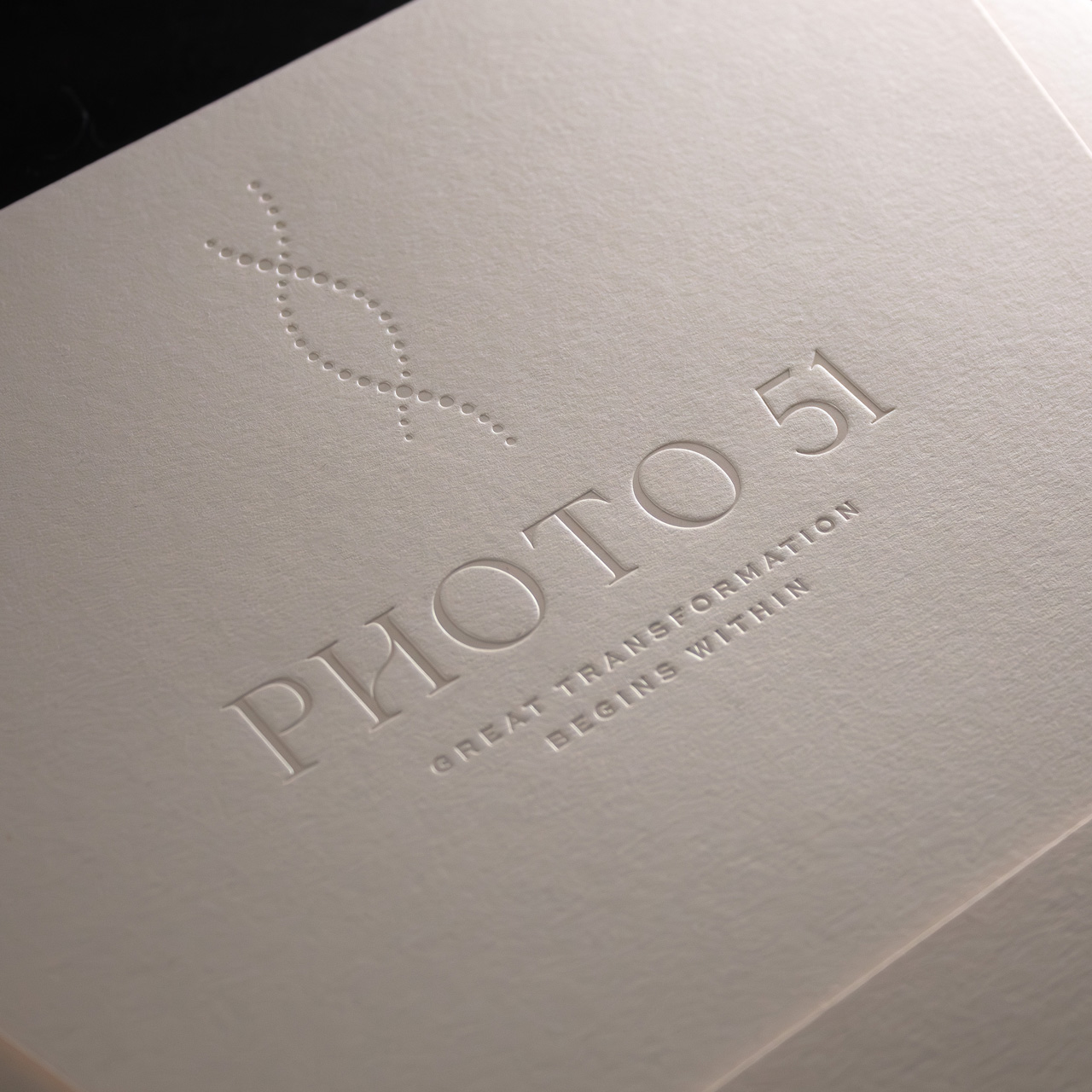
Finishing is what gives print its physical presence. It’s the difference between something that’s simply seen and something that feels considered the moment it’s handled. At Dayfold, finishing techniques are selected to work in balance with the materials, print process and purpose of the piece itself, helping create packaging, books, stationery and presentation materials that feel more tactile, refined and visually distinctive once produced.
DETAIL & IMPACT
Where Print Gains Presence
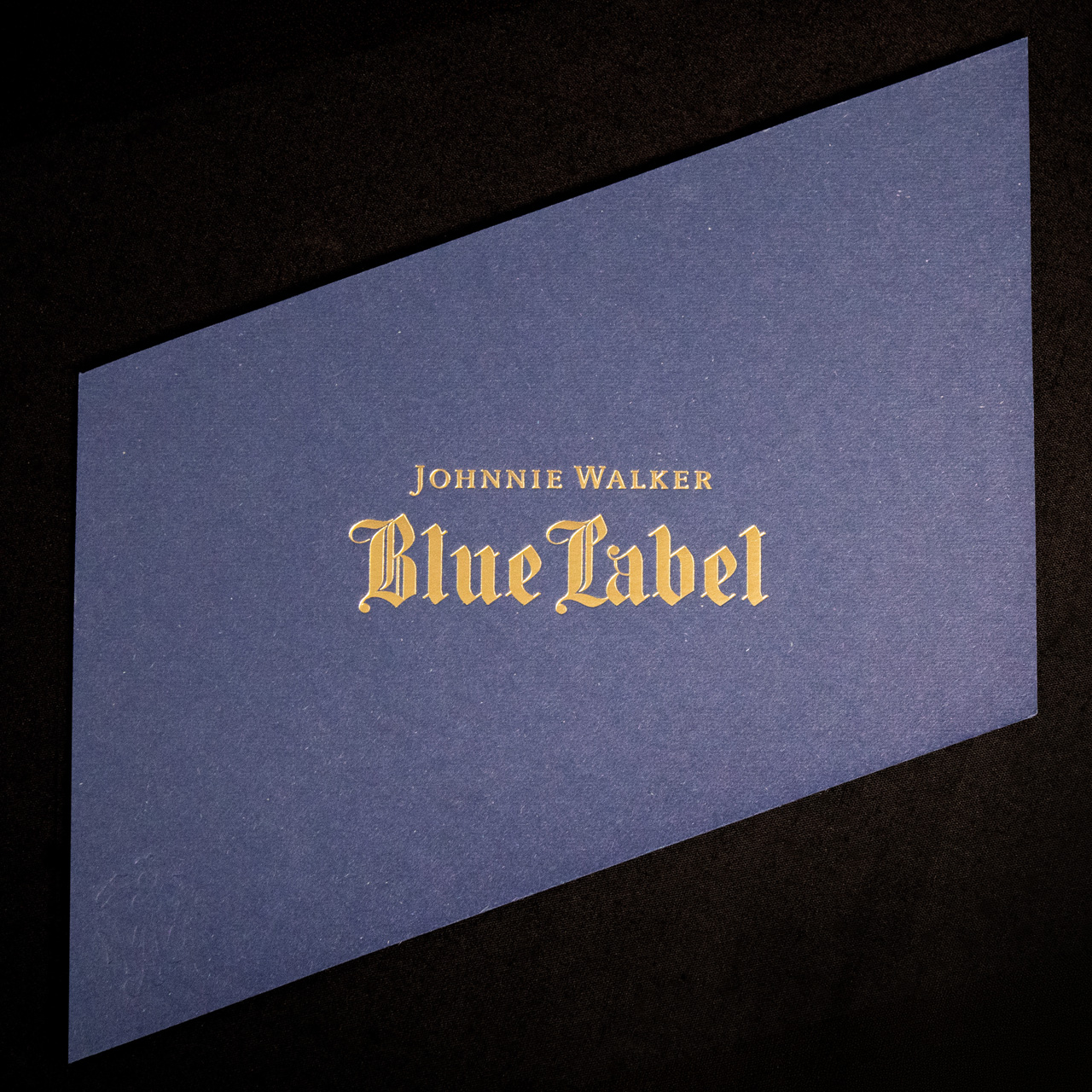
Foiling
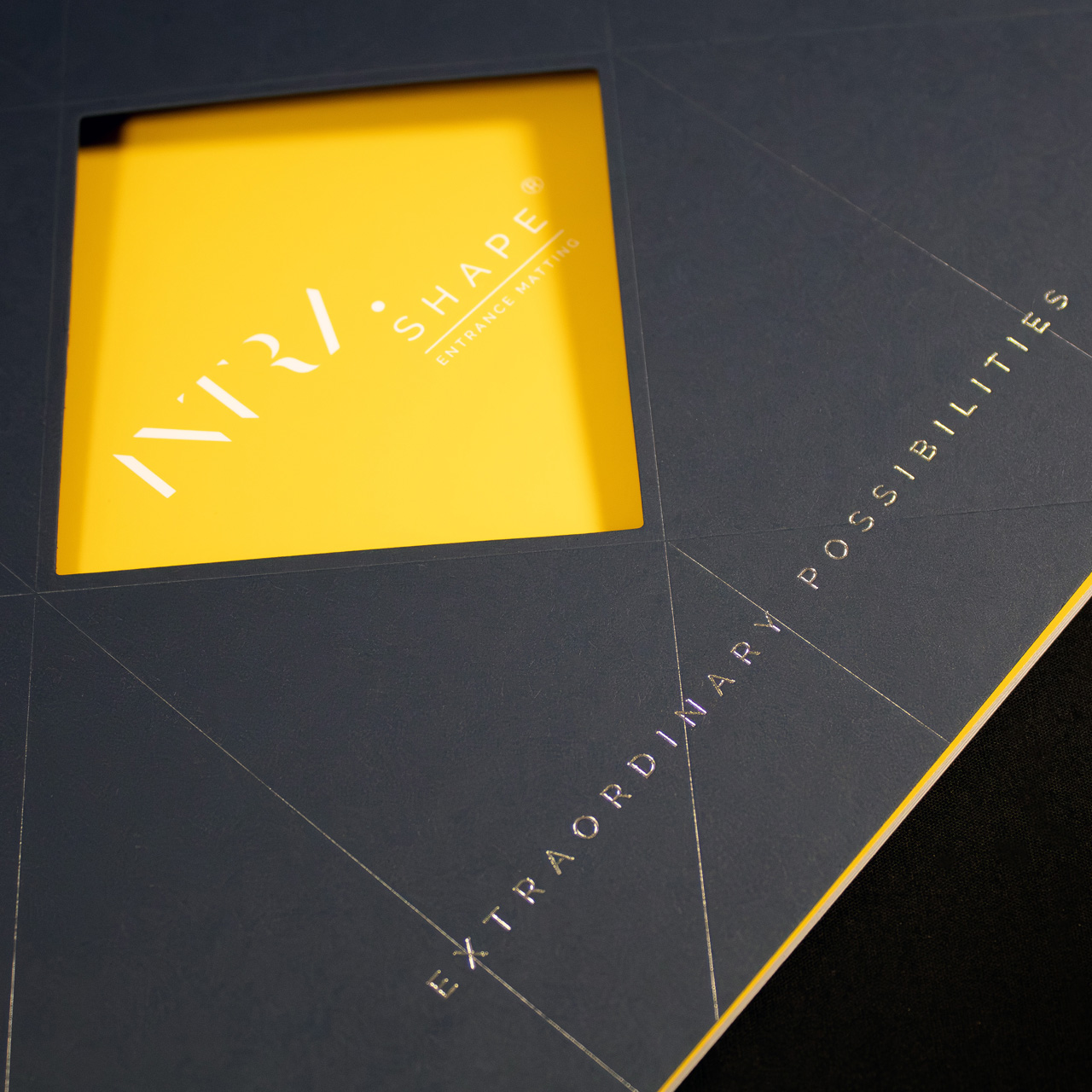
Used to introduce reflection, contrast and precision across packaging, stationery and presentation materials. Foil helps highlight key details in a way standard print cannot achieve, particularly across darker stocks and textured materials.
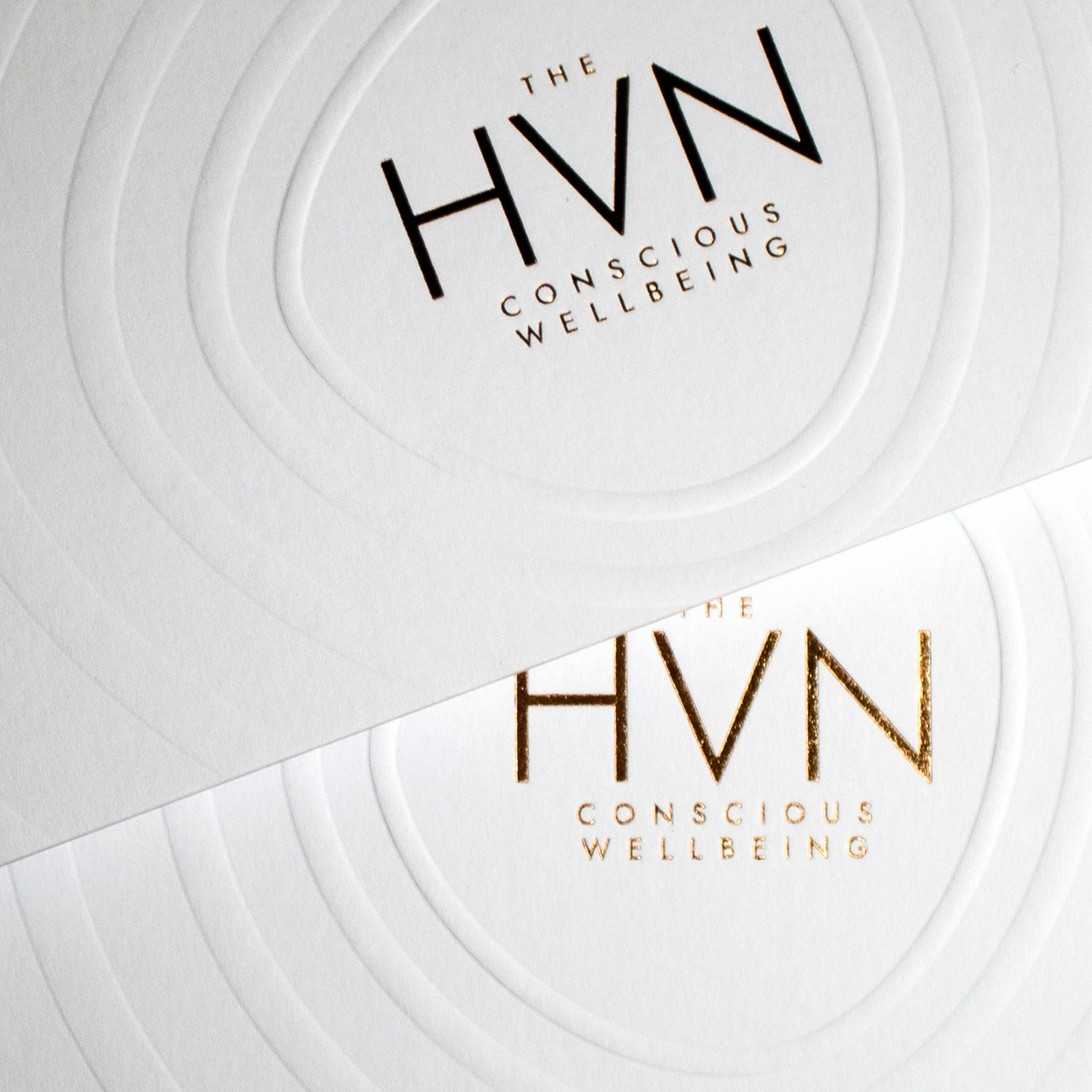
Embossing & Debossing
Embossing raises details from the surface, while debossing presses them into the material itself. Both techniques add physical texture and depth, helping logos, typography and structural details feel more deliberate and tactile once handled.
"The details people feel are often the details they remember."
MATERIALS & APPLICATION
Built Through Precision
Finishing works most effectively when it’s considered as part of the wider production process rather than added at the end.
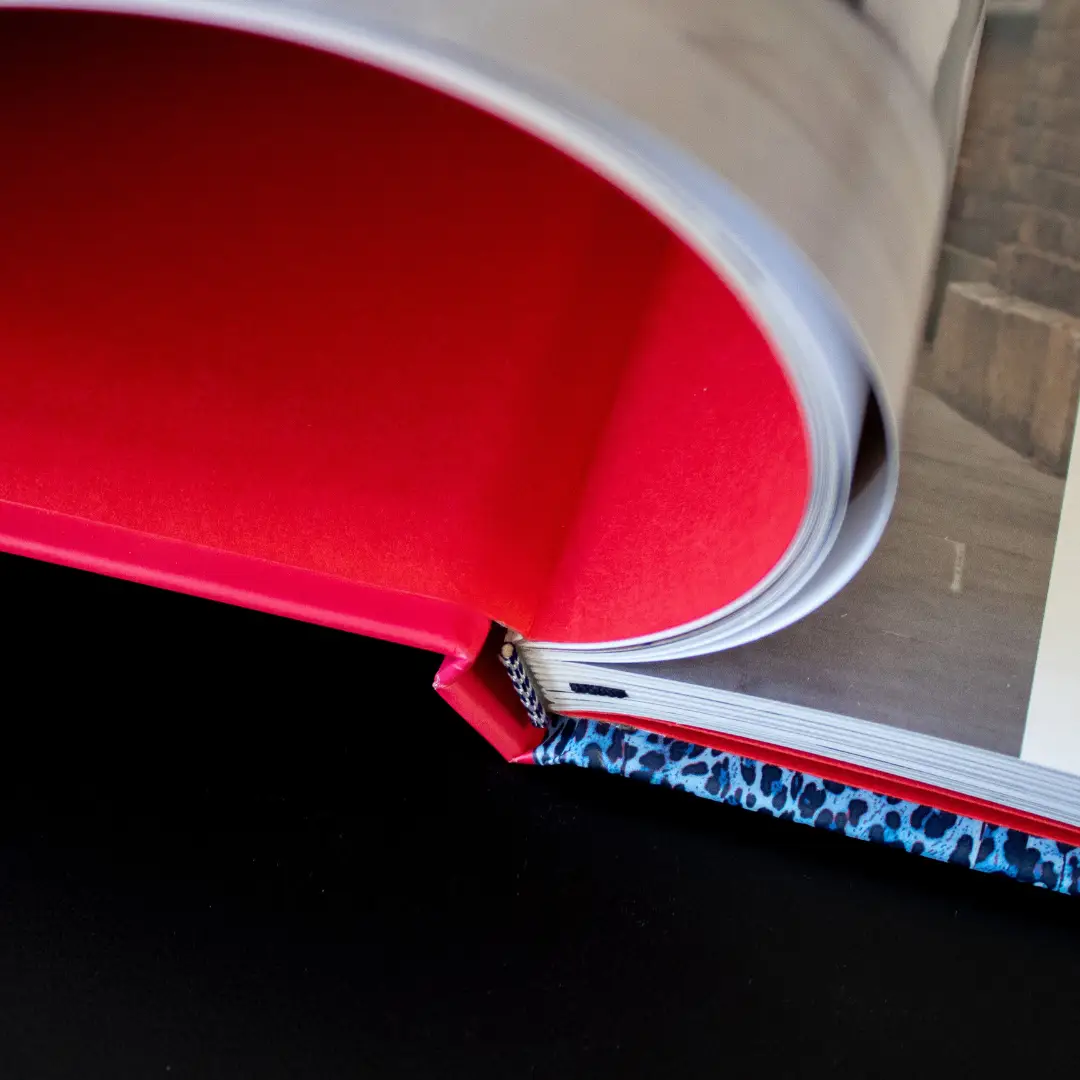
Different finishes behave differently depending on the substrate, print method and structure being used. Textured stocks can soften foil detail, deeper debossing may require heavier materials, while duplexed constructions influence how pieces fold, open and perform once assembled.
At Dayfold, finishing decisions are developed alongside Structural Design, print production and material selection to ensure every element works cohesively in the final piece.
Finishing techniques are regularly combined across Premium Folding Boxes, Premium Rigid Boxes, PR & Influencer Packaging, Bespoke Printed Bags and luxury printed publications where tactile detail plays an important role in the customer experience.
Prototyping and material testing can also be introduced early in development to validate how different finishes interact before production begins. This allows projects to be refined technically as well as visually, ensuring the final result feels balanced, commercially polished and aligned with the standards of the brand it represents.
SUSTAINABILITY CONSIDERED FROM THE START
From material selection and print methods through to finishing and production efficiency, sustainability is considered as part of the process from the very beginning.